
[ad_1]
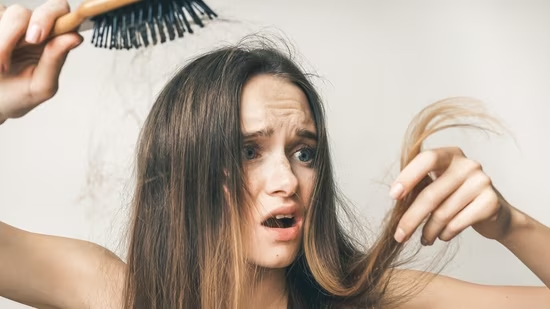
Hair fall is a widespread complaint in urban cities, and amongst all the other factors, including stress and hormones, pollution is one of the reasons for hair fall and hair thinning as well. As the air gets filled with smoke, fume, and pollution, these pollutants not only sit on the surface of the hair but can also affect the quality of the scalp, hair follicles, and their structure. This leads to negative effects of pollution like hair thinning and poor hair quality. So, it’s time you start caring for your hair as you do for your skin.

What are the side effects of pollution on hair?
Dermatologist Dr Pravin Banodkar, co-founder of Skin Beyond Borders, tells Health Shots, “The scalp is a living organ with its own oil gland, its own bacterial flora, and also has active hair follicles at the root. When exposed to different particulate matters, which are seen in pollution, it can undergo several changes. ”
How inflammation can result in hair shedding
Air pollutants trigger chronic inflammation in the scalp skin, hair follicles, oil glands, and the protective skin layer. “As a result of all this inflammation, the follicles change from a growing phase to a shedding phase, resulting in increasing hair fall, a condition that we call telogen effluvium”, says Dr Banodkar.
Weakening of the hair shaft leads to hair fall
There is oxidative stress that can happen in the roots of the hair. It slows down the hair growth, and pollution brings about a roughness and weakening of the hair shaft. This results in dry, brittle hair, increased breakage, split ends, and loss of natural shine that results in dull, lifeless, and dirty hair even after washing.
Buildup may cause hair fall
Pollutants can also cause a lot of build-up on the scalp, which causes disruptions of the oil balance, causing greasy roots but a dry hair type. “Pollutants tend to cause dandruff, itching, and redness on the skin, especially when there is a combination of pollution with heat and sweat”, says Dr Banodkar. Moreover, he also mentions that the use of helmets also creates chaos and affects the hair. “The sweat, hard water, and use of styling products create a lot of problems on the scalp, and if there is humidity added, then it becomes the cause of clogging and excessive hair breakage”, he mentions.
How to protect hair from pollution?
While curbing pollution is not immediately in our hands, there are some effective remedies for hair fall. Dr Banodkar suggests the use of gentle cleansers on the scalp, which can help in reducing the effect of fungus accumulating on the scalp with sweat and pollution. “Use a lot of antioxidants like vitamin C, niacinamide, which overall help in reducing the inflammatory profile. Avoid tying the hair too tightly to reduce the friction and the dust deposition on the hair, and see a dermatologist if you have visible thinning, excessive dandruff, or sudden clumps of hair loss”, he concludes.
(Note to readers: This article is for informational purposes only and not a substitute for professional medical advice. Always seek the advice of your doctor with any questions about a medical condition.)
Similar articles for you
Winter skincare alert: 5 morning habits that are drying out your skin and causing premature ageing
My unfiltered review of Skinvest Barrier Repair Moisturiser and anti-tan peel gel
Vaseline vs. Glycerin: Which is better for your skin and why?
[ad_2]
Source link