
[ad_1]
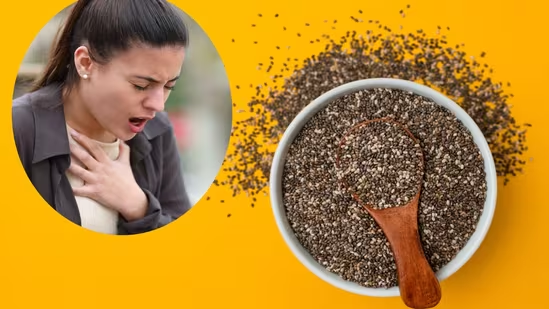
Chia seeds have become the go-to topping for anyone trying to eat healthier. They are in smoothies, puddings, energy bars, breakfast bowls, and practically every clean-eating recipe online. And to be fair, their benefits are real. They are rich in fiber, plant-based omega-3s, and antioxidants, and keep you full for long hours, which is why many people rely on them for weight loss. But can something so healthy actually cause harm? Surprisingly, yes. While chia seeds do help with digestion, fullness, and overall health, eating too much can quietly create problems like bloating, stomach cramps, and even issues with blood pressure or medication.

According to Khyati Rupani, Founder and Chief Nutritionist, Balance Nutrition, it is not the seed itself that is the problem, but how much and how quickly we consume it.
Side effects of eating too many chia seeds
Here are 7 ways consuming excess chia seeds may be harmful to your health:
1. Digestive issues
Chia seeds are loaded with fiber, a 28-gram serving packs over 9 grams, according to the US Department of Agriculture. While fiber is essential for bowel health, sugar control, and feeding the good bacteria in your gut, a sudden or excessive intake can overwhelm your digestive system.
Rupani explains that this often leads to bloating, abdominal pain, diarrhea, constipation, and in rare cases, even bowel problems. People with Irritable Bowel Syndrome or sensitive digestion tend to be more affected by this. So, while a tablespoon or two daily is fine, going overboard can do more harm than good.
2. May lower blood pressure
A study published in Diabetes Care found that consuming chia seeds for 12 weeks led to a significant reduction in blood pressure. This is great news if you have hypertension.
However, for people with naturally low blood pressure or those already on BP-lowering medications, this may cause lightheadedness, dizziness, or fatigue, according to Rupani.
3. Higher calorie intake
Two tablespoons of chia seeds contain around 138 calories. “While they do help you feel full, mindlessly adding them to every meal can push you over your daily calorie needs, especially if your goal is weight loss,” says Rupani.
4. Risk of choking
This is a lesser-known but serious concern. A study in Cureus and a 2014 case report in the American Journal of Gastroenterology documented choking incidents after consuming dry chia seeds, which expand rapidly when they come in contact with water.
In one case, the seeds became swollen inside a man’s esophagus and created a blockage requiring emergency care. That’s why Rupani recommends soaking chia seeds before eating and avoiding them dry if you have swallowing difficulties.
5. Potential allergic reactions
Some people may develop allergies after eating chia seeds. Symptoms include itching of the lips or tongue, vomiting, dizziness, or diarrhea. If ignored, this can escalate into anaphylaxis, a life-threatening reaction causing breathing difficulty or throat tightness. Such cases are rare but important to keep in mind.
6. Possible cancer risk
Chia seeds contain alpha-linolenic acid (ALA), a plant-based omega-3 fatty acid with many health benefits. However, a 2018 study in the International Journal of Cancer, involving 47,885 men over 24 years, found an association between high ALA intake and advanced prostate cancer.
This does not mean chia seeds cause cancer, but excessive long-term consumption may not be ideal for everyone.
7. May interact with certain medications
Research published in Food Science & Nutrition suggests chia seeds can lower blood sugar levels because the fiber slows glucose absorption. This can interfere with diabetes medications and may require dosage adjustments.
Similarly, their omega-3 content may act as a natural blood thinner, potentially enhancing the effects of blood pressure or anticoagulant medications. Rupani advises consulting a doctor if you are on regular medication.
(Note to readers: This article is for informational purposes only and not a substitute for professional medical advice. Always seek the advice of your doctor with any questions about a medical condition.)
[ad_2]
Source link