

[ad_1]
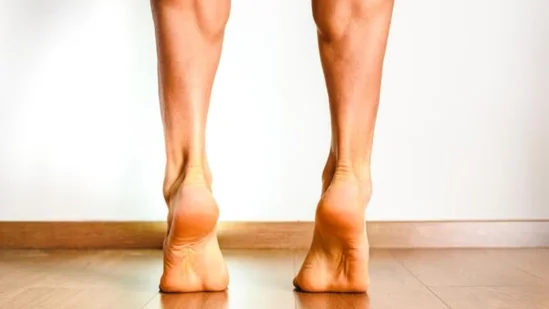
Walking has been classified by experts as an excellent exercise for controlling blood sugar spikes. However, if you don’t have much time on your hands, you can also do calf raises.

A video shared on July 24 by Cory Rodriguez, a health coach and influencer, highlighted how, if you do calf raises after eating a meal, you can reduce the blood sugar spike from that meal by up to 52 percent.
Dr Pal Manickam, a gastroenterologist and health educator, in a December 11 Instagram post, discussed the metabolic benefits of calf raises, which specifically target the soleus muscle, in reducing post-meal blood sugar spikes. According to him, though everyone is doing calf raises after Cory’s viral reel, to see results, form matters more than hype.
The right way to do calf raises
In the video, Dr Manickam emphasises that proper form is crucial while doing calf raises, noting that the soleus is best activated through slow, gentle, low-intensity movements rather than fast repetitions or heavy lifting.
According to the gastroenterologist, the soleus muscle is a deep calf muscle that’s metabolically very special and works best during “slow, controlled, low intensity heel lifts and not fast reps.”
So if you actually want to activate the soleus muscle the way the research did, here is what Dr Manickam suggests:
1. Sit comfortably, feet flat on the floor.
2. Now slowly lift your heel up and let it come down with control.
3. The key is continuous, gentle movement, not speed or heavy load. Think of it like a steady mini pump in your calf.
The importance of slow, controlled movements
According to Dr Manickam, the soleus muscle is full of slow twitch fibres. “When you keep it engaged in the slow repeated motion, it acts like a small metabolic engine continuously pulling glucose from the bloodstream,” he explains.
Does this replace your walk after meals?
No, says the gastroenterologist. He specified, “Walking still remains one of the best ways to manage post-meal spikes because it uses large muscle groups. But adding these slow calf raises, especially if you sit for long hours, can support glucose control throughout the day.”
“There is real science behind calf activation. Just remember, slow, continuous, controlled. That’s the form that actually helps your metabolism,” he added.
Note to readers: This article is for informational purposes only and not a substitute for professional medical advice. Always seek the advice of your doctor with any questions about a medical condition.
This report is based on user-generated content from social media. HT.com has not independently verified the claims and does not endorse them.
[ad_2]
Source link