

[ad_1]
For new borrowers in the country, understanding the difference between a credit report and a credit score is crucial. This knowledge is essential when applying for new credit cards, personal loans, home loans, or other credit products.
Both the report and the score originate from credit bureaus. India has several leading credit bureaus, including CRIF High Mark, CIBIL, Experian, and Equifax. These bureaus provide credit scores that define an individual’s creditworthiness and repayment ability. Let us examine these two concepts and their significance for borrowers.
What is a credit report?
A credit report is simply a comprehensive document capturing your entire credit history. It contains details of recent transactions, any prior defaults and associated credit accounts. Therefore, a credit report helps lenders review your credit history and long-term financial behaviour in complete detail.
A credit report primarily consists of the following sections:
- Personal details of the borrower, including name, PAN and contact information.
- Credit accounts, i.e., loans, credit cards, limits and repayment timelines.
- Records of delays, missed payment due dates, defaults or settled accounts.
- Hard inquiries, i.e., hard checks made by lending institutions on one credit profile.
Therefore, a credit report helps lenders in checking and reviewing your credit history and long-term financial behaviour in complete detail.
What is a credit score?
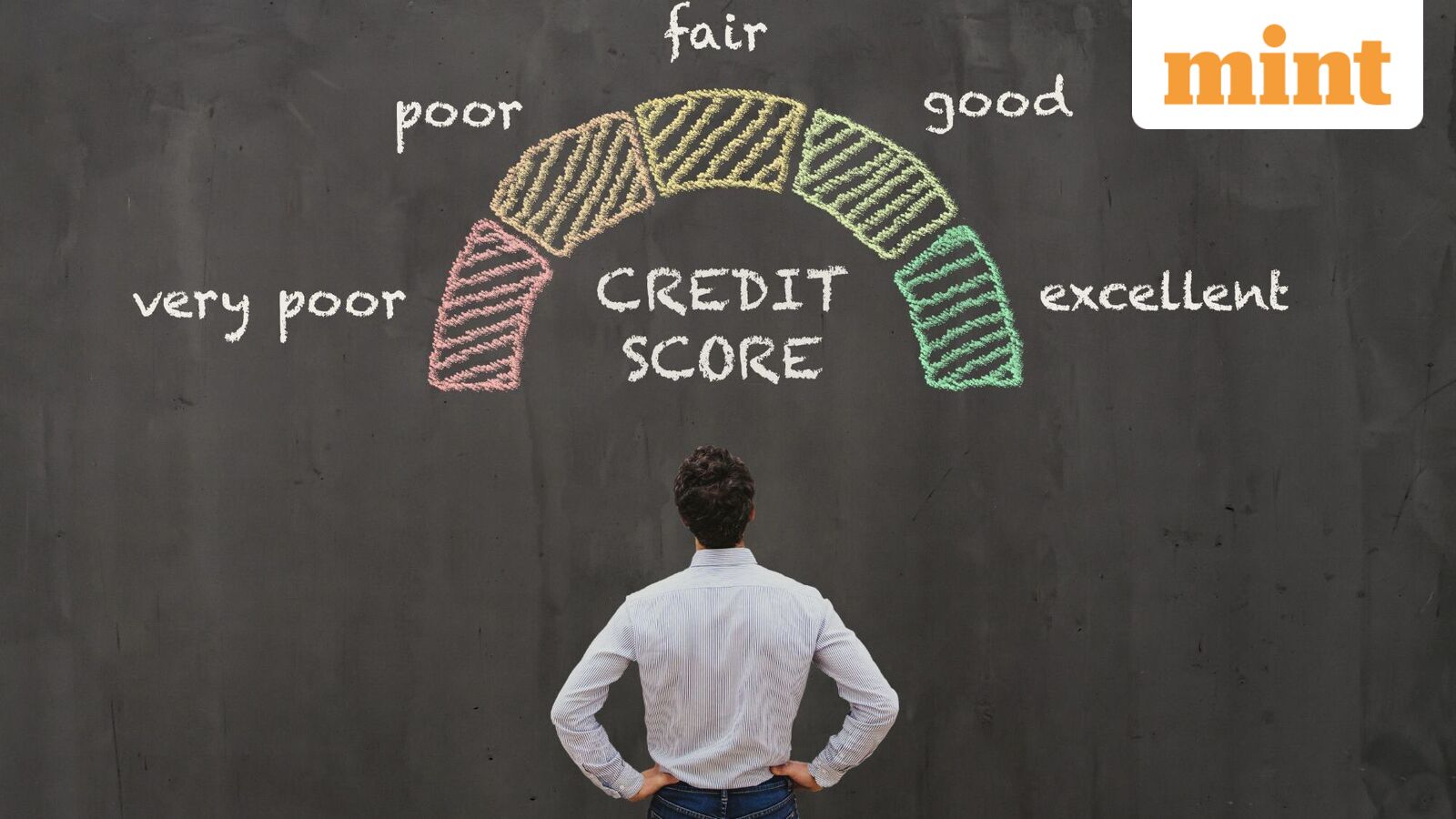
A credit score is a three-digit number, typically ranging from 300 to 900. Leading credit bureaus provide this score, which offers a crisp summary of your credit profile. Lenders generally prefer any score over 750 for quick and seamless approval of loan and credit card applications.
Furthermore, if a personal loan borrower defaults or misses repayment due dates, then this gets instantly reflected on their credit profile. This occurs as the borrower’s credit score drops drastically.
Note: The differences discussed above are illustrative in nature. For a complete understanding of these concepts, refer to the official website of your respective credit bureau.
Why are both equally significant for loan applicants?
A solid and well-rounded financial profile requires equal attention towards both your credit score and credit report. Given that the initial screening process for any new personal loans, home loans, credit cards or any other similar credit products is based on the applicant’s credit score, still, the final approval still depends on what your credit report reveals and a comprehensive review of your repayment capacity.
This makes regular monitoring and timely EMI and credit card bill payments indispensable to maintain a clean credit profile and absolute peace of mind.
For all personal finance updates, visit here.
Disclaimer: Mint has a tie-up with fintechs for providing credit; you will need to share your information if you apply. These tie-ups do not influence our editorial content. This article only intends to educate and spread awareness about credit needs like loans, credit cards, and credit scores. Mint does not promote or encourage taking credit, as it comes with risks such as high interest rates and hidden charges. We advise investors to discuss with certified experts before taking any credit.
[ad_2]
Source link