


[ad_1]
Kidney disease is one of the most common complications seen in people with diabetes. Unfortunately, most patients miss the earliest signs. This is because kidney damage doesn’t start with dramatic symptoms. “In early-stage kidney disease, symptoms are usually minimal or vague, such as slight swelling, mild fatigue, or foamy urine due to protein leakage, explains Dr Harsha Kumar H N, Senior Consultant – Nephrology & Transplant Physician, Aster RV Hospital, Bangalore.
Story continues below this ad
Early signs you should never ignore
According to Dr Kumar, fluid retention is often the first red flag. “When your kidneys can’t get rid of extra fluid, it starts building up. Mild swelling around your feet or eyes is an early sign of kidney damage,” he says. Urine also gives many clues. “Foamy or bubbly urine means protein leakage. Frequent urination at night, dark or tea-coloured urine, or reduced urine output should not be ignored. If you see these signs, consult a kidney specialist before it gets worse.” Constant tiredness, weakness, or a heaviness in the lower back can also indicate early kidney strain. “Even slightly rising blood pressure should be taken seriously because kidneys play a key role in regulating it,” the nephrologist tells indianexpres.com.


But how can one be sure that the diabetes has now started affecting the kidneys? Dr Kumar stresses the importance of routine screening. “A urine albumin-to-creatinine ratio (UACR) is often the earliest indicator of kidney damage,” he says. “An eGFR blood test tells us how well the kidneys filter waste. Every diabetic should get both tests at least once a year.” Monitoring blood pressure is just as critical because “high BP both causes and worsens kidney disease.”
Story continues below this ad
How early symptoms differ from advanced kidney failure
Many early signs don’t feel “kidney-related”, which is why patients miss them. “Loss of appetite, a metallic taste in the mouth, skin changes, trouble sleeping or unexplained morning nausea can all be linked to declining kidney function,” Dr Kumar says. He asserts that people often assume that increasing fatigue is due to diabetes itself rather than to the kidneys.
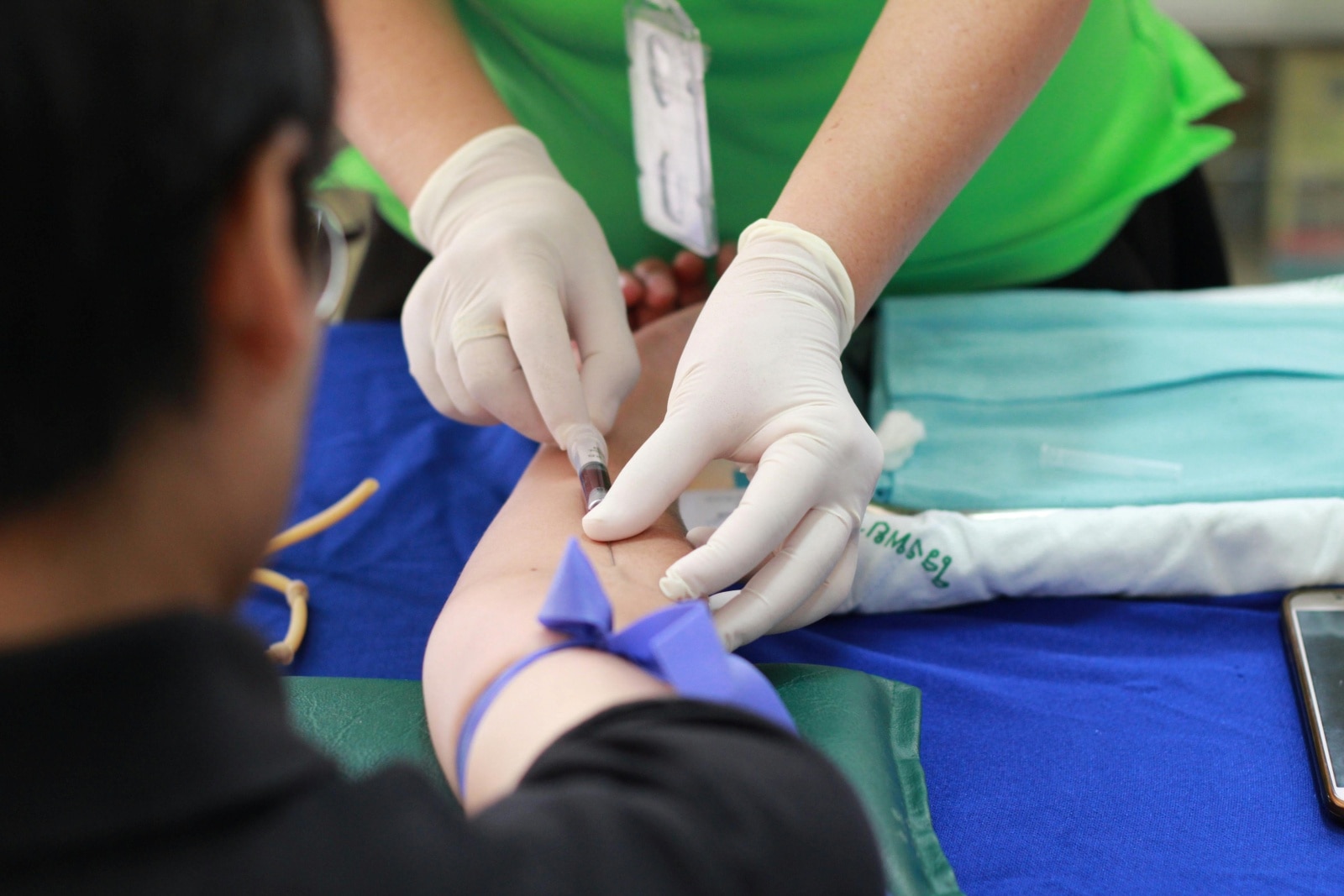 Diabetics need to get a blood creatinine-based eGFR test at least once a year (photo: pexels)
The shift, however, from mild damage to advanced failure is evident. While in early-stage kidney disease, symptoms are minimal, once kidney function worsens, daily life starts getting affected. “Advanced kidney failure brings severe swelling, nausea or vomiting, breathlessness, persistent itching, muscle cramps, poor appetite and rising blood pressure,” Dr Kumar highlights. He further adds that toxin buildup can also affect the brain: “Confusion or difficulty concentrating can appear in the advanced stage.”
Dr Kumar explains that there is no single timeline of kidney function decline. For many diabetic patients, kidney decline is gradual over the years. However, once visible symptoms appear, things can move faster. “If swelling, shortness of breath or appetite loss appear, the decline may accelerate unless managed promptly.” The good news, he says, is that early detection makes a big difference. “Strict sugar control, blood pressure control and timely treatment can significantly slow or even halt progression,” the nephrologist concludes.
DISCLAIMER: This article is based on information from the public domain and/or the experts we spoke to. Always consult your health practitioner before starting any routine.
[ad_2]
Source link